


Key Takeaways
Calculate net operating income using actual property taxes, insurance, management fees, maintenance, and vacancy allowances before deciding whether a Buffalo rental is a worthwhile investment.
Inspect older properties carefully and prioritize aging roofs, heating systems, plumbing, and windows when estimating repair and replacement costs.
Build separate reserves for routine repairs, major capital expenses, and emergencies so unexpected winter damage or extended vacancies do not disrupt cash flow.
Request a written property management fee schedule that identifies recurring charges and additional leasing or service fees before signing an agreement.
Verify current tax assessments, insurance coverage, and applicable Buffalo and New York rental requirements annually to keep your operating budget accurate.
Buffalo has long attracted rental investors with relatively affordable purchase prices and a revitalizing urban core.
But the gap between a promising rent and a profitable property is made up of operating costs, and Western New York has some distinctive ones: long winters, an older housing stock, higher-than-average property taxes, and a legal environment with detailed tenant protections. Owners who budget carefully do well. Owners who rely on gross rent alone are often surprised.
This guide by Real Capital Group - Buffalo breaks down the main operating costs for Buffalo-area rentals, explains how to estimate each one, and shows how to build a budget that includes fees, repairs, vacancy, and reserves.

It is general information, so use real quotes and current figures for your property, and talk to a tax professional and attorney where appropriate.
Get in Touch with Our Experts!
Start With Net Income, Not Gross Rent
Gross rent is the total you collect. Net operating income is what remains after operating expenses and before debt service. Cash flow is what remains after the mortgage. Buffalo investors often find that older, lower-priced properties produce strong gross rent relative to price, but also carry higher maintenance costs and more turnover.
A helpful measure is the operating expense ratio, which divides total operating expenses by gross rent. Older Buffalo properties often run higher ratios than newer homes in other markets, because of age, taxes, and winter costs. That does not make them bad investments, since purchase prices are often lower too, but it does mean the numbers must be run carefully.
Property Taxes
Property taxes in Western New York can be significant relative to home values. Rates vary by municipality, school district, and county, and assessments are subject to change. Look up the actual tax bill, check how recently the property was assessed, and consider whether a reassessment could raise it.
Insurance
Landlord insurance typically covers the structure, liability, and sometimes lost rent after a covered loss. Costs depend on the property's age, construction, claims history, and location. Western New York's winters, lake-effect snow, and ice can lead to roof collapses, frozen pipes, and water damage.
Property Management Fees
Professional management usually involves a monthly fee based on collected rent, plus a leasing fee for new tenants. Some companies add fees for renewals, inspections, or maintenance coordination.

Request a full written fee schedule, and compare the cost with the value of what the manager provides: faster leasing, tenant screening, rent collection, vendor pricing, legal compliance, and your time.
Repairs and Maintenance
Maintenance is usually the most variable expense. Older Buffalo homes, including the area's many double-family houses and century-old properties, can have aging plumbing, outdated wiring, drafty windows, and failing roofs.
A sensible planning approach is to budget a percentage of annual rent or property value for repairs, adjusted for age and condition. Divide repair costs into three groups:
Routine upkeep. Furnace filters, gutter cleaning, snow removal, lawn care, pest control, and minor repairs.
Unexpected repairs. Leaks, appliance breakdowns, electrical issues, and storm damage.
Turnover work. Cleaning, painting, flooring repairs, and rekeying between tenants.
Winter Costs
Buffalo's winters shape ownership more than most owners expect. Snow and ice removal is necessary, and it can create liability if sidewalks and driveways aren't kept safe. Freezing pipes are a constant risk in vacant units or poorly insulated spaces. Heating costs can be substantial, and who pays for heat affects both rent and tenant behavior.
Include snow removal, winterization, and heating equipment service in your budget, and set clear expectations in the lease about who is responsible for what.
Learn More About Our Property Management Services!
Capital Expenses
Big-ticket items such as roofs, furnaces and boilers, water heaters, windows, siding, porches, and foundations will eventually need replacement.
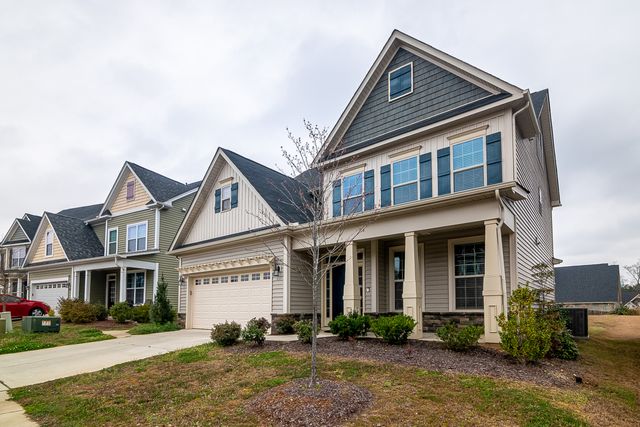
They are expensive and irregular, so the best approach is to plan for them. Estimate each item's remaining life and cost, then set aside a monthly reserve.
Vacancy
Every rental has vacancy. Budget for several weeks per year, and adjust based on the neighborhood, property type, and season. Buffalo's rental demand has strong seasonal elements, including student cycles and warm-weather moves, so a unit that becomes available in January may take longer to lease than one that opens in the summer.
Compliance and Legal Costs
New York has detailed landlord-tenant law, including rules on security deposits, notices, rent increases, repairs, and evictions. Buffalo also has local housing code requirements, rental registration or inspection programs in some areas, and lead-based paint rules for older properties.
Security deposits are generally capped, and the process for returning them is strict. Compliance failures can lead to fines and delays, so budget for periodic professional advice and keep thorough records. Verify current requirements with a qualified attorney or the city.
Utilities and Services
Decide in advance which utilities and services the owner pays and which the tenant pays, and put it in writing. In multi-unit buildings, shared meters, common-area electricity, water, sewer, and trash may fall to the owner. Include them in your operating costs, and consider whether separating meters or adding submetering would improve your ROI.
Reserves: The Cushion That Protects You
A cash reserve prevents small problems from becoming crises.

Set aside funds for emergencies, deductibles, and longer-than-expected vacancies. Many investors aim to hold several months of operating expenses and debt payments for each property.
Common Budgeting Mistakes
Ignoring vacancy and turnover.
Underestimating maintenance on older buildings.
Forgetting snow removal and winter costs.
Skipping capital reserves.
Using last year's property tax bill without checking reassessment risk.
Not accounting for management fees or your own time.
Assuming the first year will repeat forever.
Ways to Improve Net Income
Price the rent accurately.
Screen tenants carefully to reduce turnover and arrears.
Maintain proactively, especially heating and roofing.
Compare insurance quotes.
Track every expense in one place.
Consider energy upgrades that reduce heating costs.
Use a manager with established vendor pricing.
Bottom Line
Real Capital Group - Buffalo has served owners for decades, with a practical, benefit-focused approach summed up by its motto, Save Time. Sleep Better. We also manage properties across Buffalo, Niagara Falls, Amherst, Cheektowaga, Tonawanda, West Seneca, Lackawanna, Kenmore, Williamsville, Orchard Park, Hamburg, and many more communities.
Use our free rental analysis and consultation to get even more financial insight when navigating rental property ownership.
Frequently Asked Questions About Operating Costs for Rentals in Buffalo: Fees, Repairs, Vacancy, and Reserves
How Much Should I Budget Annually for Rental Property Maintenance in Buffalo?
Your annual maintenance budget should reflect the property's age, condition, size, and major systems rather than rely on a single percentage for every investment. For an older Buffalo duplex, review the roof, furnace or boiler, plumbing, electrical systems, windows, and foundation before setting your allowance.
Obtain contractor estimates for known issues and separate routine upkeep from major replacements. Review actual spending each year and adjust your budget as the building ages. A property with several aging systems will generally need a larger maintenance cushion than a recently renovated one.
How Can I Estimate Whether a Buffalo Rental Will Generate Positive Cash Flow?
Start with realistic monthly rental income, then subtract operating expenses such as property taxes, insurance, management fees, utilities paid by the owner, maintenance, and vacancy allowances. This gives you an estimate of net operating income before mortgage payments. Subtract debt service and other applicable cash expenses to estimate cash flow.
What Property Management Fees Should Buffalo Rental Owners Compare?
Look beyond the headline management fee and compare the complete cost of service. Review recurring management charges, tenant placement fees, onboarding costs, renewal charges, maintenance coordination, and optional services such as snow removal or lawn care. Ask which services are included and which may generate additional expenses.
How Can Buffalo Landlords Reduce Expensive Winter Repairs?
Prepare the property before freezing temperatures arrive rather than waiting for a problem to develop. Have the heating system serviced, inspect exposed pipes and vulnerable plumbing areas, seal drafts where appropriate, and check roofs and drainage for signs of damage.
Establish a plan for snow and ice removal, and confirm that contractors can respond when severe weather disrupts normal operations.
What Buffalo and New York Rental Compliance Costs Should Investors Include in Their Budgets?
Allow for expenses associated with applicable rental registration, inspections, code compliance, required repairs, recordkeeping, and professional legal or accounting advice. Requirements can vary by property location, building characteristics, and applicable state and local rules, so verify obligations before purchasing and whenever regulations change.